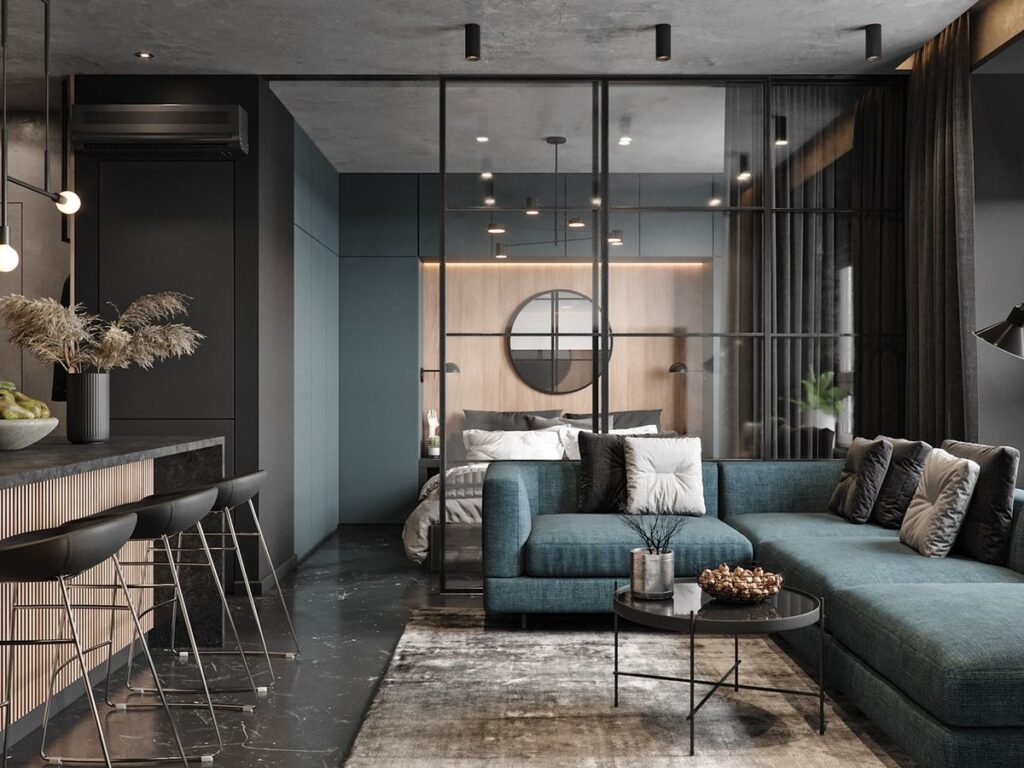
AI-Driven Spaces: How AI Will Personalise Home Design in 2026
In 2026, interior design is stepping into a new era—one where artificial intelligence becomes your personal designer, transforming the way homes are planned, styled, and experienced. From adaptive layouts to mood-based lighting, AI is redefining how homeowners interact with their spaces. At Lineup Interior, we’re embracing this shift to create homes that are smarter, more intuitive, and deeply personalised.
1. AI-Powered Layout Planning: Homes Designed Around You
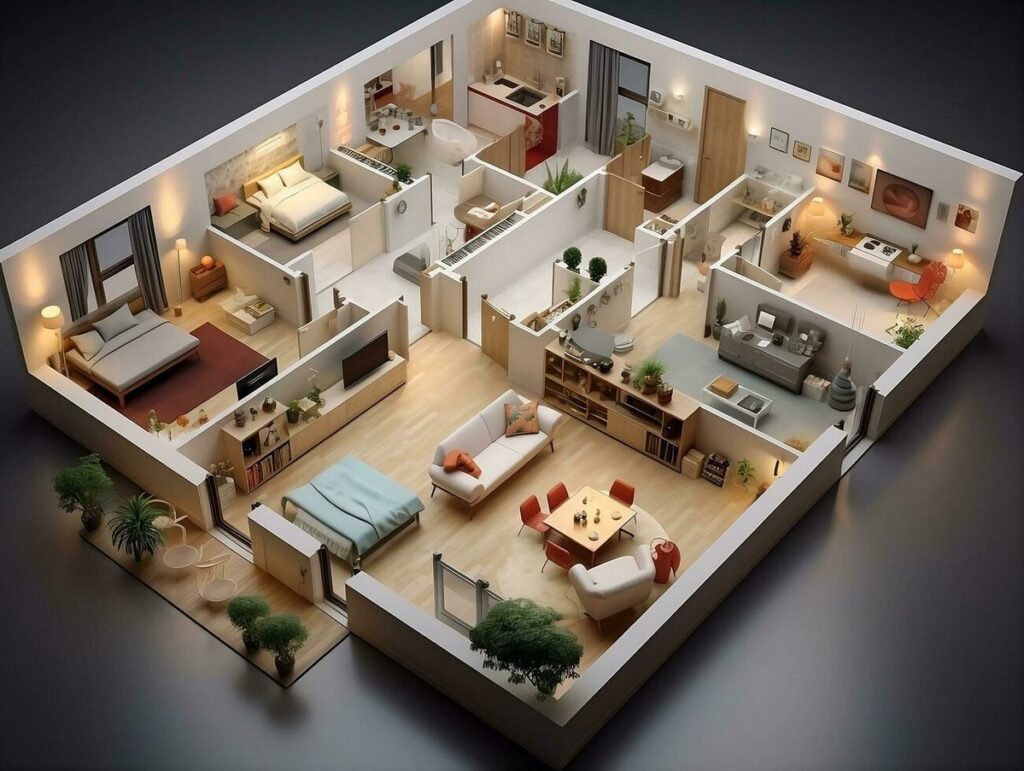
Gone are the days of one-size-fits-all floor plans.
AI tools can now analyse your lifestyle, movement patterns, daily routine, and even your comfort preferences to create layouts that adapt to your behaviour.
What this means in 2026:
Furniture automatically organised for maximum flow
Rooms optimised for natural light and ventilation
Layouts based on your activities — work, relaxation, fitness, cooking
Space-saving configurations for compact homes
AI doesn’t just place furniture — it creates an experience.
2. Mood-Based Lighting That Understands Emotions
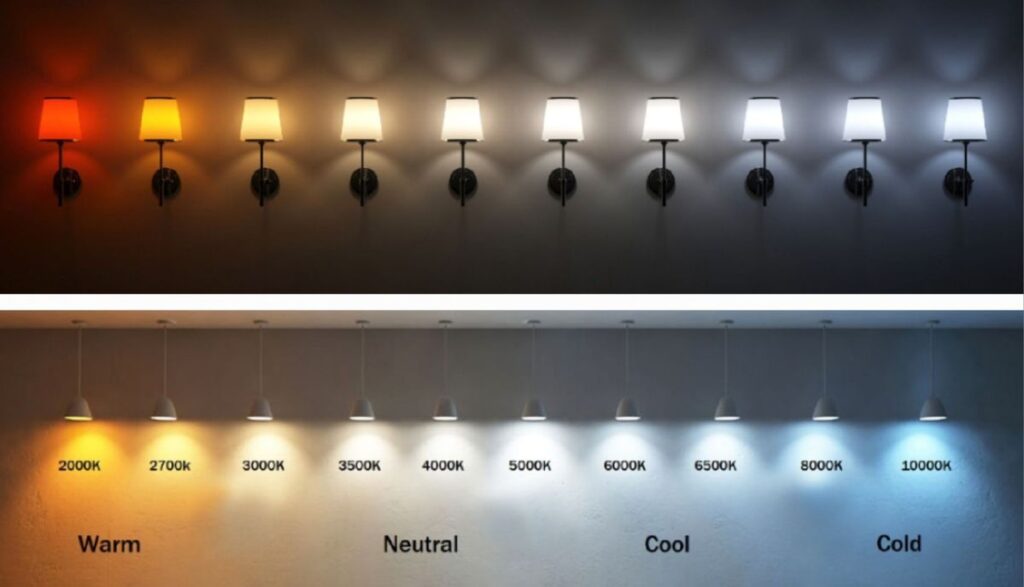
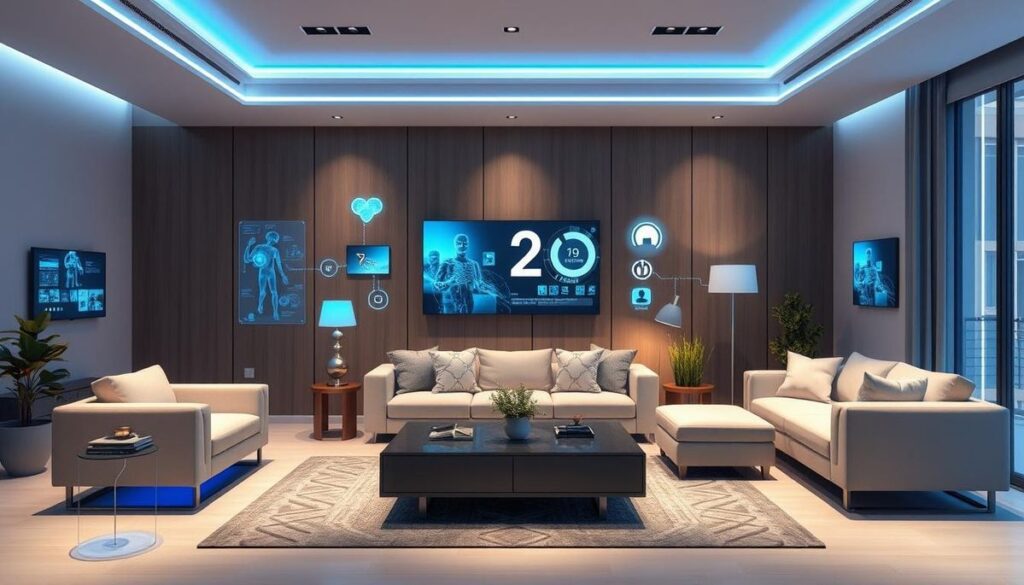
Lighting will play one of the biggest roles in AI-driven homes. In 2026, lighting systems will use sensors and predictive algorithms to adjust themselves based on your mood, time of day, and tasks.
New features you’ll see:
Circadian lighting that boosts energy in the morning
Warm ambient lighting for relaxation
Scene presets for work, movies, meditation, or guests
Voice + mobile AI controls
Light adjustments that match weather conditions
Lighting will no longer be just functional — it will be emotional.

3. AI-Curated Décor Choices: Your Personal Digital Stylist
Imagine an AI that knows your taste better than you.
By analysing your Pinterest saves, past purchases, colour preferences, and browsing history, AI can create a fully customised decor plan for your home.
This includes:
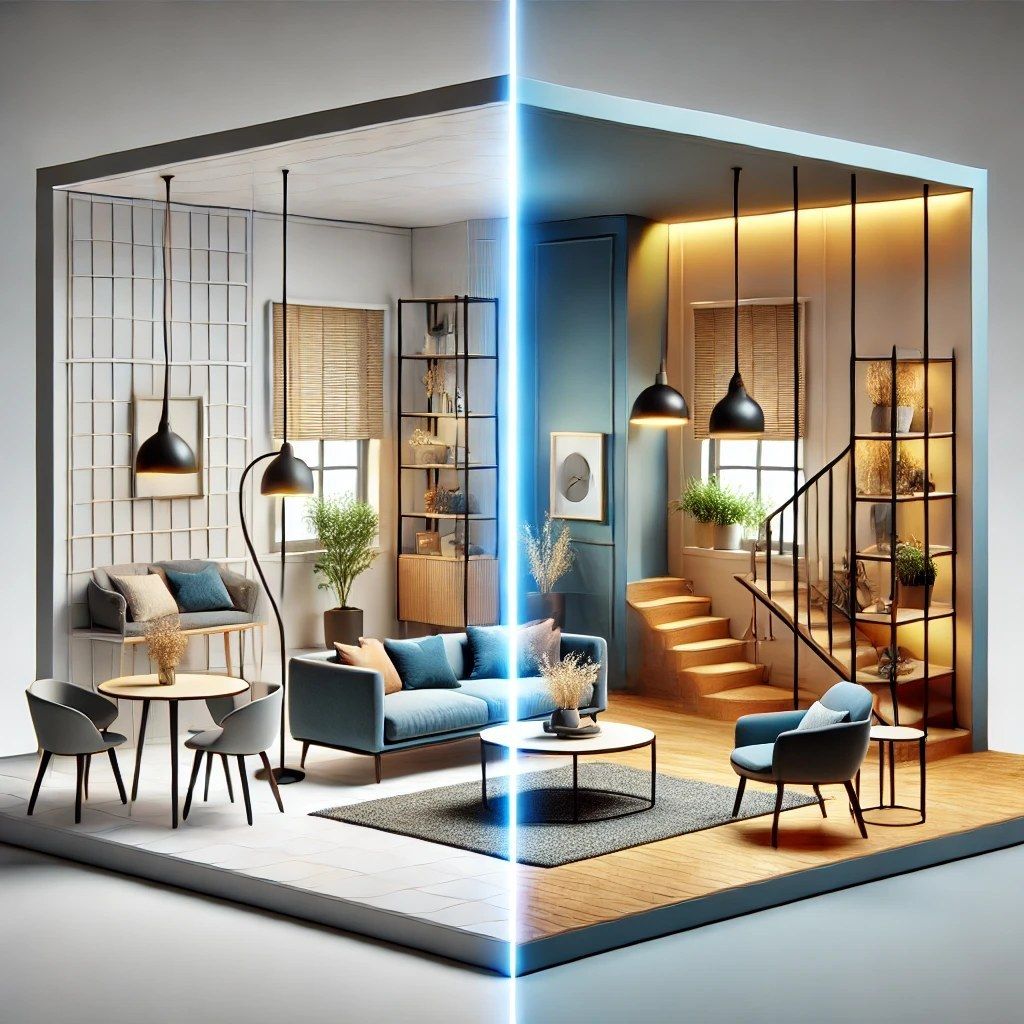
Suggesting furniture styles that suit your personality
Recommending paint colours based on your mood habits
Choosing décor accessories that enhance your lifestyle
Creating 3D renders instantly for final approvals
AI will bridge the gap between inspiration and execution.
4. Smart Materials & Adaptive Surfaces
Surfaces in 2026 homes will no longer be static. We will see AI-enabled smart materials that change appearance, temperature, or texture based on real-time needs.
Examples:
Kitchen countertops that glow when in use
Walls that shift colours with lighting mood
Smart glass partitions that turn transparent or opaque
Temperature-regulating floors
Homes will start responding like living organisms.
5. Predictive Maintenance & Zero-Worry Livingd
AI doesn’t just beautify — it prevents damage.
With smart sensors embedded across the home, AI will help predict maintenance issues before they happen.
Benefits:
Detecting water leaks early
Monitoring air quality
Tracking electrical fluctuations
Suggesting maintenance schedules
Homeowners get peace of mind and longer-lasting interiors.
6. Personalised Smart Homes for Every Family Member
AI in 2026 will allow multiple profiles within a single home.
Example:
Kids’ rooms switching to study mode during evenings
Parents’ room adjusting AC and lighting for comfort
Kitchen screens showing personalised recipes
Homes will adapt individually, not generally.
Why AI-Driven Interiors Are the Future
The combination of intelligent design and deep personalisation brings a new meaning to comfort and luxury. Homeowners are no longer choosing interiors—they’re choosing experiences that evolve with their lifestyle.
At Lineup Interior, we are already integrating AI tools and design systems to deliver futuristic spaces that feel effortless, intuitive, and deeply human.
Final Thought
2026 isn’t about smart homes…
It’s about emotionally intelligent homes that understand you, learn from you, and grow with you.