
How AI is Helpful for Interior Designers in 2025
In today’s fast-changing world, Artificial Intelligence (AI) has become a powerful tool across industries, and interior design is no exception. From conceptualizing designs to improving customer experience, AI is transforming the way interior designers work. Whether you are a freelance designer or running a full-fledged interior design firm, AI can save time, reduce costs, and boost creativity.
In this blog, we’ll explore how AI is helpful for interior designers and why adopting AI in 2025 is a smart move.
1. AI-Powered Design Visualization
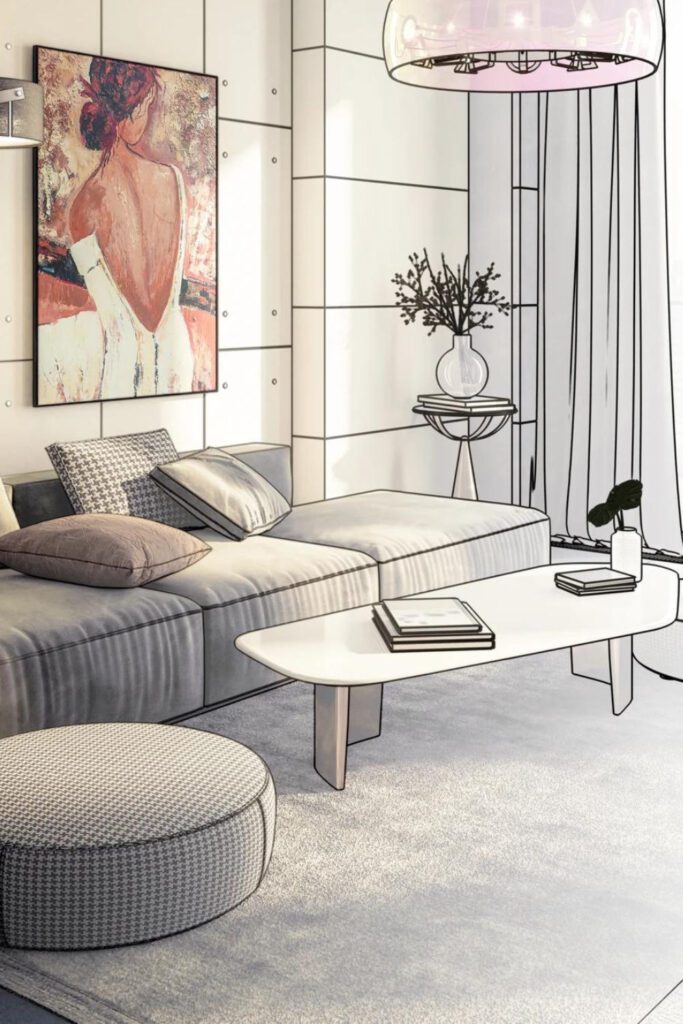
One of the biggest challenges for clients is imagining how their space will look after renovation. With AI-powered design visualization tools, interior designers can create realistic 3D models and virtual tours within minutes.
Clients can see multiple design options instantly, making decision-making faster.
Designers can experiment with different color palettes, layouts, and furniture arrangements without physically moving anything.
AI platforms like Planner 5D, Foyr, and Homestyler allow designers to turn simple sketches into lifelike 3D models.
This not only improves client satisfaction but also reduces the risk of rework.
2. Personalized Interior Design Solutions
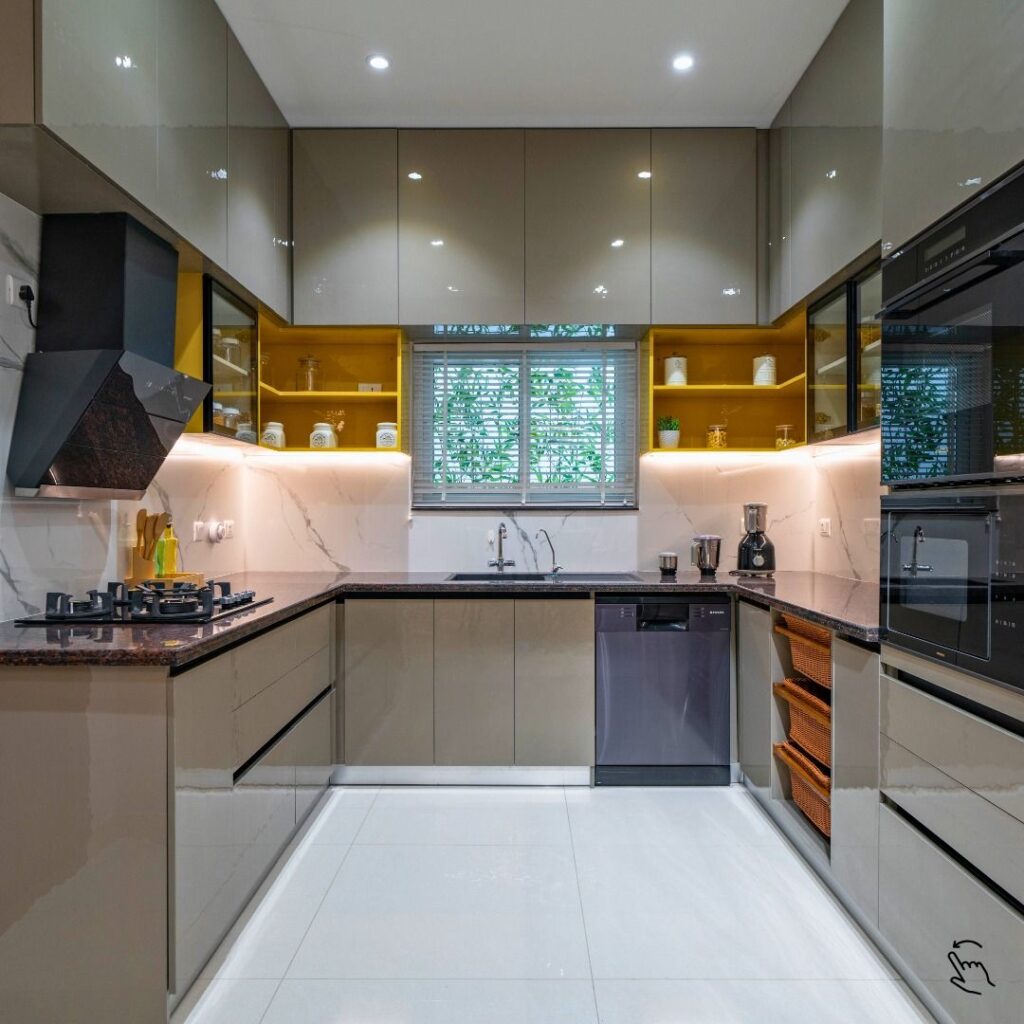
AI can analyze a client’s preferences, lifestyle, and even social media activity to suggest personalized design options. For example:
If a client likes minimalist aesthetics, AI can recommend furniture, lighting, and wall textures that match their taste.
AI-powered platforms can also suggest designs based on budget constraints, helping designers stay cost-effective.
This personalization improves the client experience and sets a designer apart from competitors.
3. Smart Space Planning
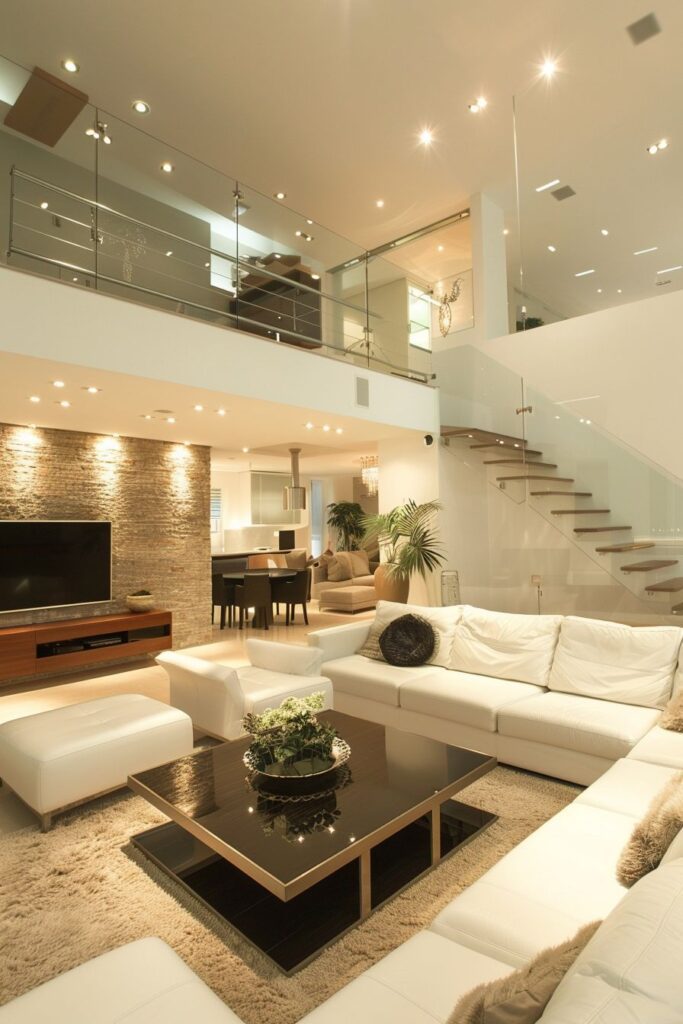
Efficient use of space is the core of interior design, especially in urban cities where homes and offices are often compact. AI makes space optimization much easier by:
Analyzing room dimensions and automatically suggesting best furniture placements.
Identifying unused corners and recommending storage solutions.
Helping designers create layouts that are both aesthetic and functional.
AI-driven space planning ensures that no square foot goes to waste, which clients love.
4. Cost and Budget Management
Interior design projects often face budget overruns. AI tools can help in accurate cost estimation and budget management:
AI can calculate the cost of raw materials, furniture, and labor in real-time.
Designers can share a transparent budget plan with clients before starting the project.
AI also suggests cost-effective alternatives for expensive design elements.
This not only saves money but also builds client trust.

5. Trend Forecasting and Inspiration
Keeping up with the latest design trends is crucial for interior designers. AI can scan thousands of online sources, social media platforms, and design magazines to identify emerging interior design trends.
Designers get data-driven insights into popular colors, materials, and décor styles.
AI can predict future trends by analyzing global patterns, helping designers stay ahead of the curve.
Instead of spending hours on research, designers can instantly get creative inspiration from AI tools.

6. Virtual Reality (VR) and Augmented Reality (AR) Integration
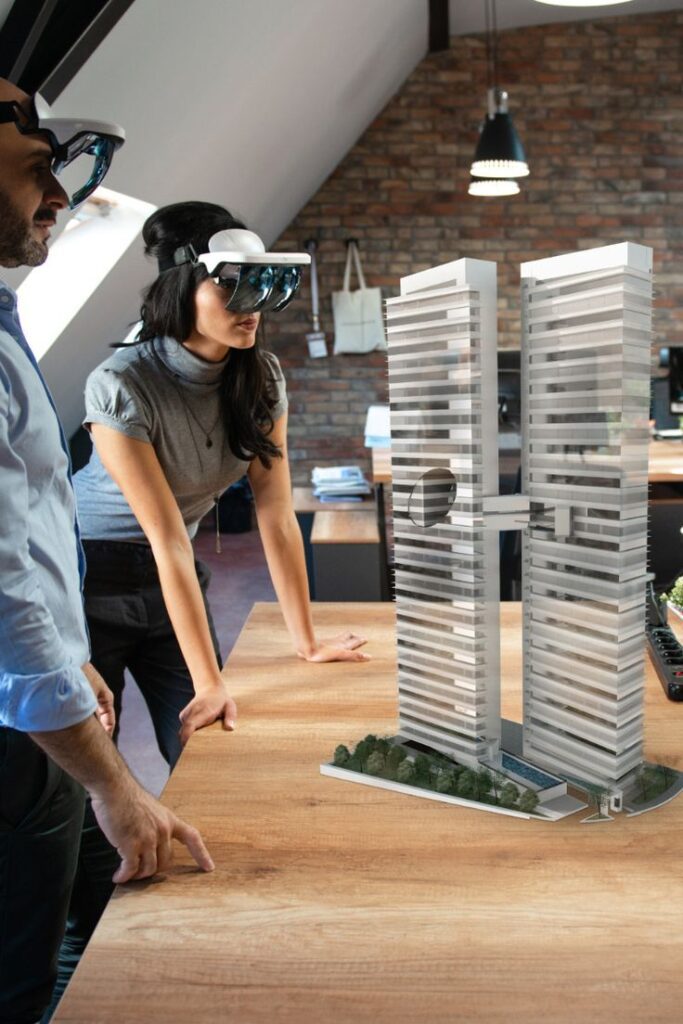
Many AI-powered platforms integrate with VR and AR technology, giving clients an immersive design experience.
Clients can use AR apps to visualize how a sofa or dining table will look in their home before buying.
VR headsets allow clients to walk through a designed space virtually, making the experience highly interactive.
This not only improves communication between designers and clients but also reduces errors and misunderstandings.
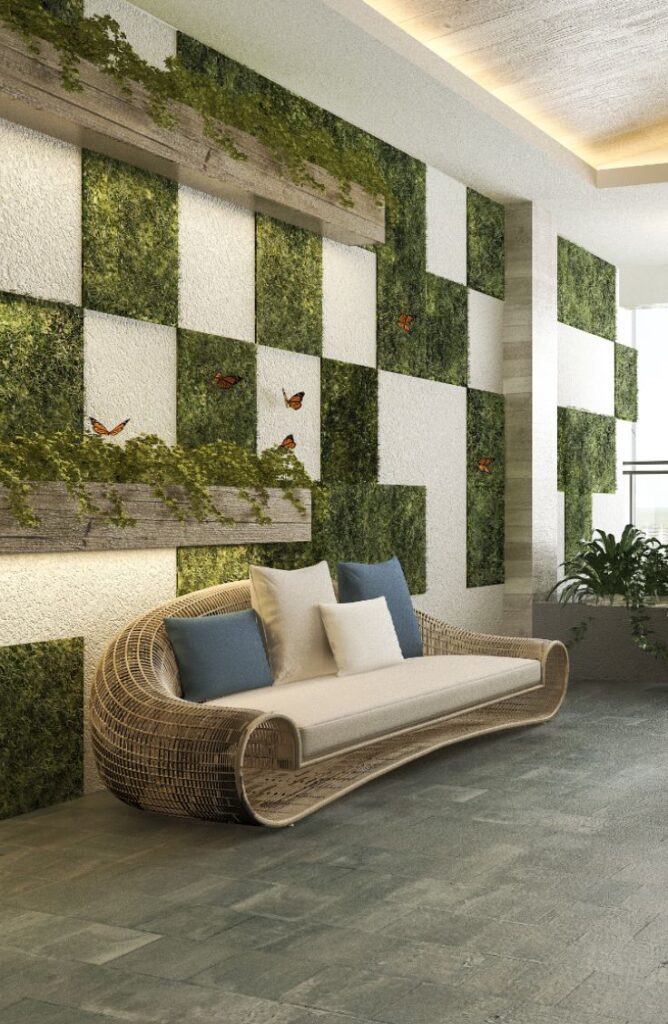
7. Sustainability and Eco-Friendly Designs
Today’s homeowners are more conscious about sustainability. AI helps interior designers make eco-friendly choices by:
Suggesting sustainable materials like bamboo, reclaimed wood, and recycled metal.
Recommending energy-efficient lighting and appliances.
Optimizing natural light and ventilation in the design.
By promoting green design practices, AI helps designers create modern, environmentally responsible spaces.
8. Improved Marketing for Interior Designers
AI isn’t just useful in design work; it also helps interior designers grow their business.
AI tools in digital marketing can target the right audience on social media.
AI-driven chatbots can answer client queries instantly on websites.
Predictive analytics can show which marketing campaigns bring the highest ROI.
This means interior designers can not only design better spaces but also attract more clien
9. Saving Time and Increasing Productivity
Interior designers often spend hours creating layouts, searching for suppliers, or preparing presentations. With AI, these repetitive tasks are automated:
Instant mood boards and sample layouts.
Quick supplier suggestions based on requirements.
Automated scheduling and project management.
This allows designers to focus more on creativity and client relationships
Conclusion
AI is not here to replace interior designers; it is here to empower them. From personalized designs and smart space planning to cost management and marketing, AI makes the entire design process smoother and more efficient.
In 2025, interior designers who embrace AI will not only deliver better projects but also build stronger client relationships and grow their businesses faster.
If you are an interior designer, now is the right time to start exploring AI-powered tools and platforms that can transform the way you work. The future of interior design is smart, sustainable, and AI-driven.